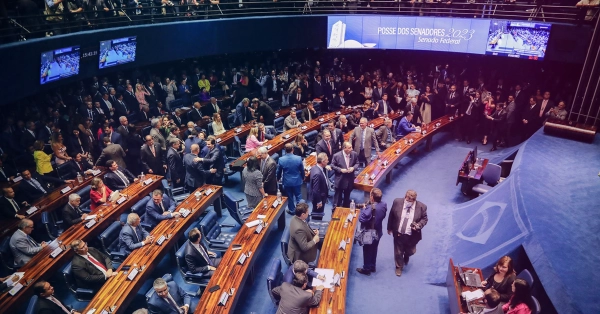
Brazil Senators Split Over Push to Double Betting Taxes
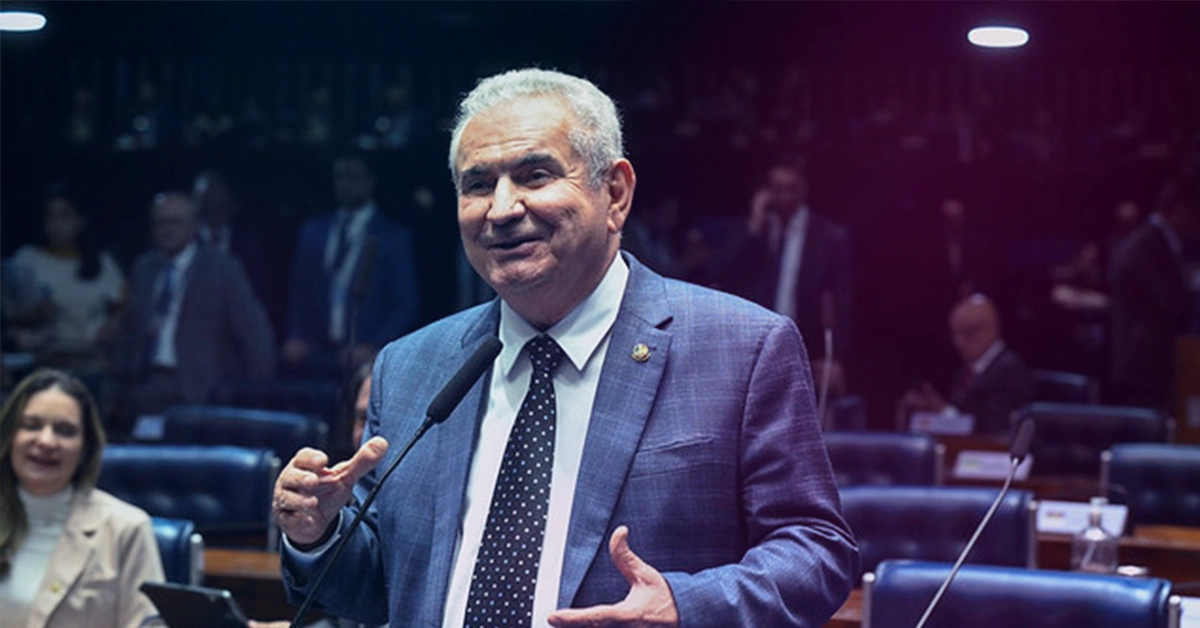
Brazil’s regulatory landscape for sports betting has entered a new phase of tension after Senator Angelo Coronel (PSD–BA), the rapporteur of the 2023 legislation that legalized fixed-odds betting, openly condemned the latest attempt to raise taxes on licensed operators. His intervention has reignited fears that an aggressive fiscal push could drive consumers back into the unregulated market.
Coronel Rejects Proposal to Double GGR Tax
During a November 4 meeting of the Senate’s Economic Affairs Committee (CAE), Coronel sharply criticized Senator Renan Calheiros’ (MDB–AL) amendment seeking to increase the gross gaming revenue tax from 12% to 24%. The intense back-and-forth ultimately forced lawmakers to delay the vote.
“We cannot suffocate those who operate legally while failing to combat those who act outside the system,” Coronel stated. “This approach is unreasonable and the Senate should not accept it.”
His remarks struck a chord within the industry. The Brazilian Institute of Responsible Gaming (IBJR) estimates that 41% to 51% of betting activity currently occurs on offshore or unlicensed sites a problem that many argue will worsen if taxes escalate.
Licenced Operators Face Heavy Tax Burdens Already
Coronel emphasized that the 12% GGR tax is only one component of a much broader fiscal package. Brazil’s 81 licensed operators, which together paid BRL 30 million (USD 5.57 million) in concession fees, must also pay PIS, Cofins, ISS, Corporate Income Tax and CSLL.
“When everything is calculated, the total tax pressure goes beyond 50%,” he explained. “Many believe betting companies pay only 12%, but that is far from reality. They are taxed like any other Brazilian business.”
He pointed to examples in Germany and Portugal, where steep tax hikes prompted operators to scale back or where illegal markets expanded due to reduced competitiveness among legal brands.
Congress Divided on How Far Taxes Should Go
Not all senators shared Coronel’s perspective. Senator Soraya Thronicke (Podemos–MS) agreed on the need for stronger enforcement against illegal gambling but defended the idea of higher taxation.
In her view, betting operators still contribute less than other industries associated with public health risks. “Is 50% really excessive? Cigarettes and alcohol face tougher regimes,” she said. “These companies must follow the law and the government must enforce it without hesitation.”
Her stance reflects a growing rift in Congress between lawmakers advocating a business-friendly approach and those who believe the sector should deliver higher fiscal returns.
Tax Debate Becomes Pivotal in Brazil’s Betting Rollout
The delayed vote confirms that the issue remains unresolved, with further negotiations expected in the coming weeks. Industry voices caution that setting taxes too high may backfire reducing long-term revenue, hindering investment and incentivizing bettors to migrate to offshore platforms.
As Brazil finalizes the rollout of its newly regulated betting market, the outcome of this dispute will shape not only the financial viability of licensed operators but also Brazil’s broader regulatory model. The decisions made now may influence how other Latin American jurisdictions structure their own betting frameworks.