MGM China Brand Fees Double Under New MGM Agreement

MGM Resorts International is preparing to reshape its financial ties with its Macau-listed arm, MGM China Holdings Ltd, through a revised brand licensing agreement that will substantially increase the cost of using the MGM name. The updated arrangement, which comes into force on January 1, 2026, underlines the parent group’s stronger negotiating position amid Macau’s post-pandemic recovery.
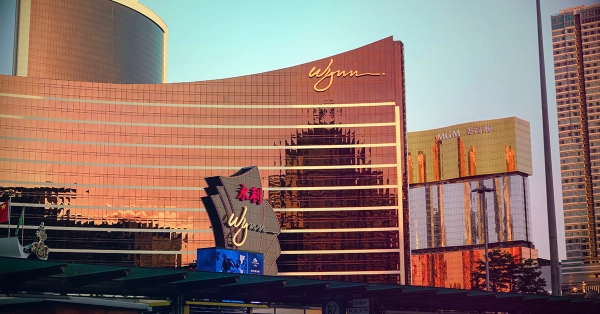
Under the new terms, MGM China will see its trademark royalty rate rise sharply from 1.75 percent to 3.5 percent of adjusted consolidated monthly net revenue, effectively doubling the branding fee paid to the US-based operator. The fee applies to MGM China’s flagship properties, MGM Cotai and MGM Macau on the peninsula. To limit exposure, the agreement introduces an annual cap calculated in line with Hong Kong Stock Exchange requirements, with business volume acting as a key variable.
Revised Split Favors Parent Group
While the overall licensing cost increases, the allocation of proceeds is also being rebalanced. Analyst commentary cited by CBRE Equity Research suggests the annual fee will be capped at US$188 million for 2026, with expected payments closer to US$166 million. Importantly, the division of those fees between MGM Resorts and its joint-venture partner has shifted.
Previously shared equally, the proceeds will now see MGM Resorts receive 67 percent, reducing the share attributed to Pansy Ho Chiu King, chair of MGM China. Market analysts John DeCree and Max Marsh highlighted the change as a meaningful improvement in returns for the US parent compared with the former 50–50 split.
Brand Agreement Aligned With Gaming Concession
The duration of the revised branding contract has been structured to match Macau’s regulatory framework. It will run through 2032, aligning with MGM China’s current 10-year gaming concession that commenced on January 1, 2023. This alignment ensures uninterrupted trademark rights throughout the life of the existing licence.
The agreement also includes automatic extension provisions. If MGM China secures a concession renewal or a new licence, the branding arrangement would continue until the end of that term or December 31, 2045, whichever occurs sooner. MGM Resorts said the long-term structure removes the need for frequent renegotiations and provides greater certainty for investors.
Stronger Performance Underpins Higher Fees
MGM Resorts justified the higher royalty by pointing to the brand’s growing contribution to MGM China’s performance. The company noted that the Macau unit’s market share has expanded significantly since the pandemic, increasing from around 9 percent before COVID-19 to approximately 16 percent as of September 30, 2025.
Management Changes Signal New Phase
The revised branding deal coincides with changes in MGM China’s executive leadership. Kenneth Feng has been appointed chief executive officer after serving as president and executive director, while Tian Han has taken on the role of chief operating officer, following his tenure as executive vice president overseeing gaming operations and strategic marketing. He replaces former COO Hubert Wang.
Together, the updated financial framework and leadership transition mark a new phase in the evolving relationship between MGM Resorts and its Macau subsidiary, reflecting both improved market conditions and a recalibration of value between parent and operator.