Singapore Tourism Grows as Casino Resorts Drive Demand
Singapore’s tourism sector is closing out the year on a steadier footing, with fresh data pointing to continued recovery momentum despite signs of shifting visitor behaviour. Figures released by the Singapore Tourism Board (STB) show the city-state welcomed 1.29 million international visitors in November, representing a 4.8 percent increase compared to the same month last year.
Cumulatively, Singapore recorded 15.55 million visitor arrivals between January and November 2025, marking a 2.7 percent year-on-year improvement. While the pace of growth has moderated compared to earlier rebound phases, the data suggests demand has stabilised rather than weakened as the market approaches year-end.
Overnight stays show limited expansion
Beneath the headline arrival numbers, however, the composition of travel continues to evolve. Stayover arrivals in November climbed in line with total visitation, rising 4.8 percent to approximately 953,200 visitors. Around three-quarters of international arrivals during the month remained in Singapore for at least one night.
Looking at a longer horizon, the picture is more static. Over the twelve months to the end of November, total stayover visitors remained flat at 11.5 million, indicating that recent growth has been driven primarily by shorter or repeat trips rather than extended stays.
Shorter trips becoming the norm
Average length of stay data reinforces this trend. Visitors spent an average of 3.30 days in Singapore during November, a decline of 6.7 percent from a year earlier. Across the first eleven months of 2025, the average stay edged down 2.2 percent to 3.49 days.
The pattern suggests changing travel preferences, with tourists increasingly favouring compact, high-intensity visits over longer holiday itineraries a shift that mirrors broader regional travel behaviour in Asia-Pacific.
Key source markets remain unchanged
Singapore’s visitor mix continues to be anchored by its core regional markets. China remained the largest source of arrivals during the January-to-November period, delivering 2.93 million visitors, followed by Indonesia with 2.20 million and Malaysia with 1.16 million.
Performance across these markets was mixed. Chinese arrivals recorded modest growth of 1.4 percent, while Malaysia posted stronger gains of 7.3 percent. Indonesia, by contrast, experienced a slight contraction of 1.3 percent. Chinese visitors, however, continued to stay longer than average, with an estimated mean stay of 3.74 days compared to the overall average of 3.49 days.
Integrated resorts remain a key draw
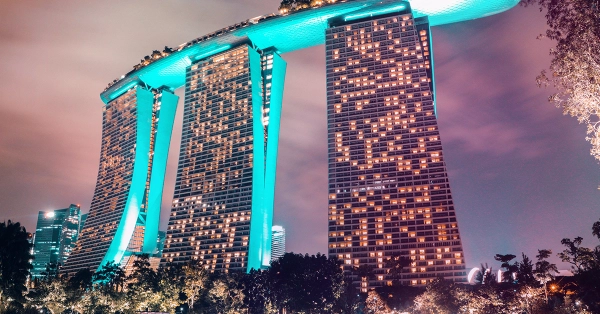
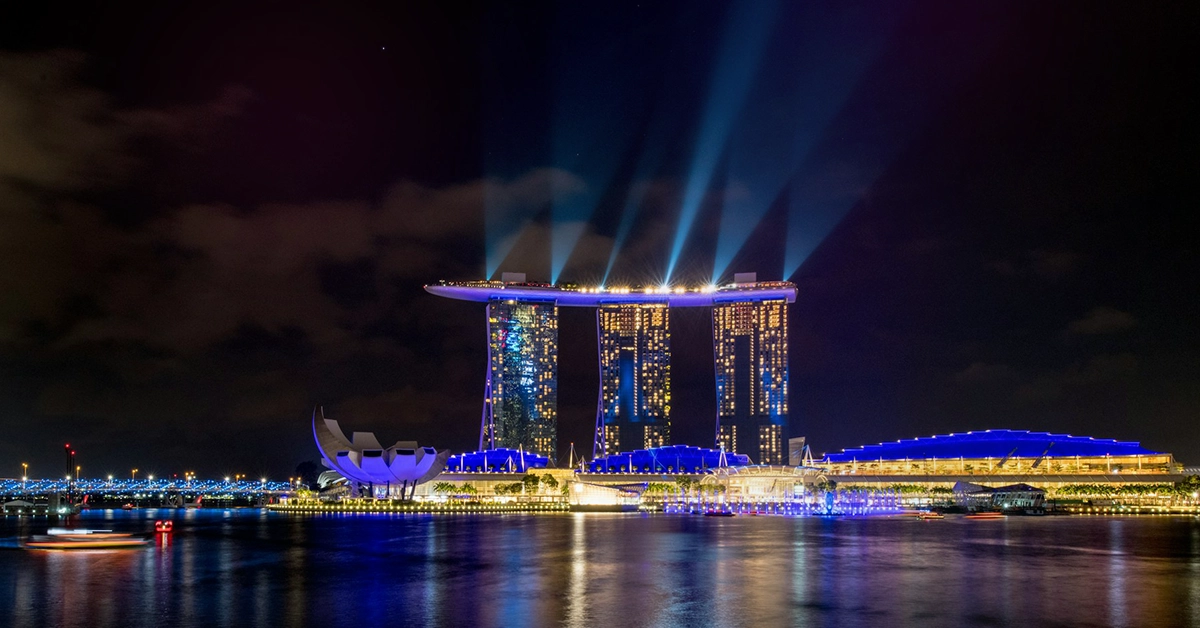
Singapore’s integrated resorts continue to play a central role in sustaining inbound tourism. Marina Bay Sands and Resorts World Sentosa operated by subsidiaries of Las Vegas Sands Corp and Genting Singapore respectively remain among the city’s most recognisable international attractions, supporting visitation through gaming, entertainment and hospitality offerings.
Focus turns to year-end targets
With December still to be counted, attention is now shifting to whether Singapore can achieve its full-year tourism targets. The STB previously forecast between 17.0 million and 18.5 million visitor arrivals for 2025, alongside projected tourism receipts ranging from SGD 29.0 billion to SGD 30.5 billion.
The final month of the year will be critical in determining whether the market can close the gap between current performance and those expectations, particularly as holiday travel demand peaks across the region.