Argentina Eases Slot Imports but Keeps High Tax Burden
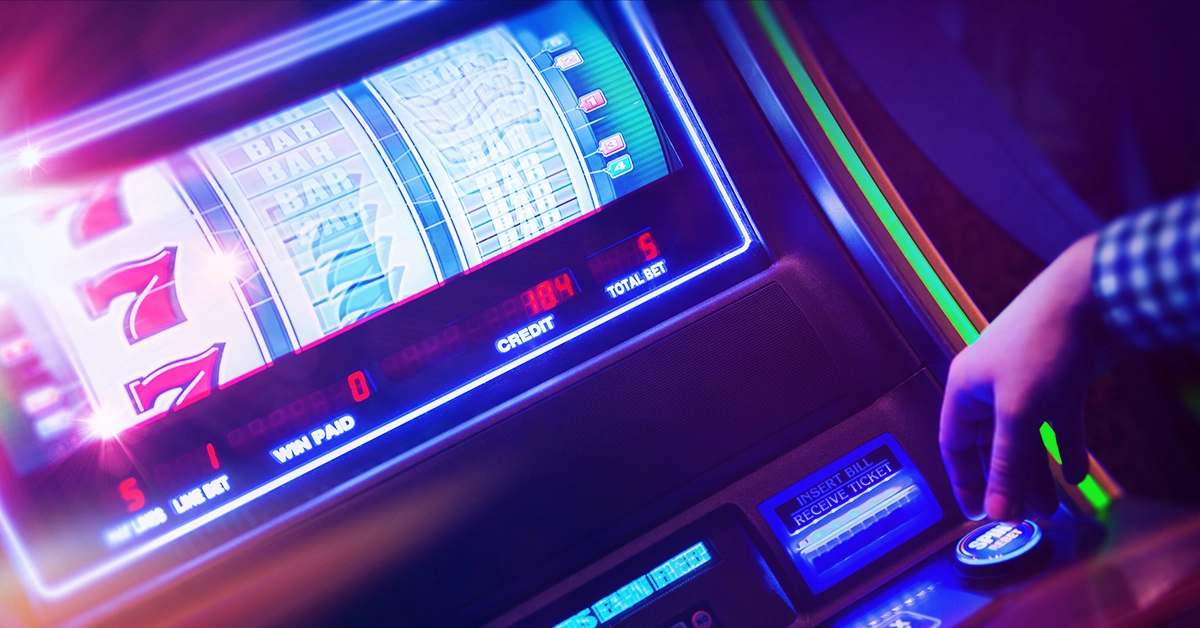
Argentina has recently implemented reforms to ease the import process for slot machines, aiming to cut red tape and provide greater stability for operators. Two key policy shifts have been particularly impactful: faster access to the Mercado Único y Libre de Cambios (MULC) for payments tied to gaming machines and the planned end of the PAIS tax in December 2024, which eased pressure on imports overall, including gaming equipment. Still, high costs make Argentina the priciest country in South America for slot machine imports.
Heavy Tax Burden on Imports
The current tax framework in Argentina adds substantial expense for importers. A standard slot machine faces a 35% import tariff plus a 3% statistical levy, increasing its base value. A 21% VAT applies on top of this amount, further elevating costs. Additional fiscal charges include a 20% VAT collection and a 6% income tax withholding both refundable but locking up capital for long periods. Provincial gross income taxes (Ingresos Brutos) vary by location, adding extra strain. In total, these taxes can exceed a 90% combined burden, making Argentina the costliest South American market for gaming equipment imports.
Streamlined Administrative Processes
Although taxes remain steep, the administrative side has been simplified. The establishment of the Agencia de Recaudación y Control Aduanero (ARCA) has unified customs procedures, eliminating redundant steps and outdated requirements. International technical certifications are more readily accepted with minimal local inspection and private agencies now play a larger role in verification.
Notable improvements include removing mandatory electrical safety checks by customs, eliminating verification stamps and reducing chamber involvement in certifications. Sworn declarations and guarantee-based release systems now allow faster clearance and defer parts of the regulatory process, shortening lead times and lowering operational delays.
However, even with better efficiency, the fiscal load remains the primary hurdle. Industry operators note that while bureaucracy has eased, cumulative taxes still make importing each unit extremely costly.
Opportunities and Obstacles Ahead
Experts suggest that the best chance to significantly lower tariffs was during the government’s early reform period in December 2023. Since the mid-term political shifts and local elections, the drive for additional tax relief has slowed. It remains uncertain whether the government will revisit tariff cuts soon.
In essence, Argentina has made notable progress in streamlining the import process for gaming machines by clarifying procedures and removing unnecessary administrative steps. Yet the heavy tax structure continues to restrict competitiveness. Importers must navigate improved processes alongside substantial fiscal burdens, while keeping an eye on future political and legislative changes that could shape a more favorable environment for gaming equipment imports.