Brazil President Lula Flags Online Betting Growth Risks
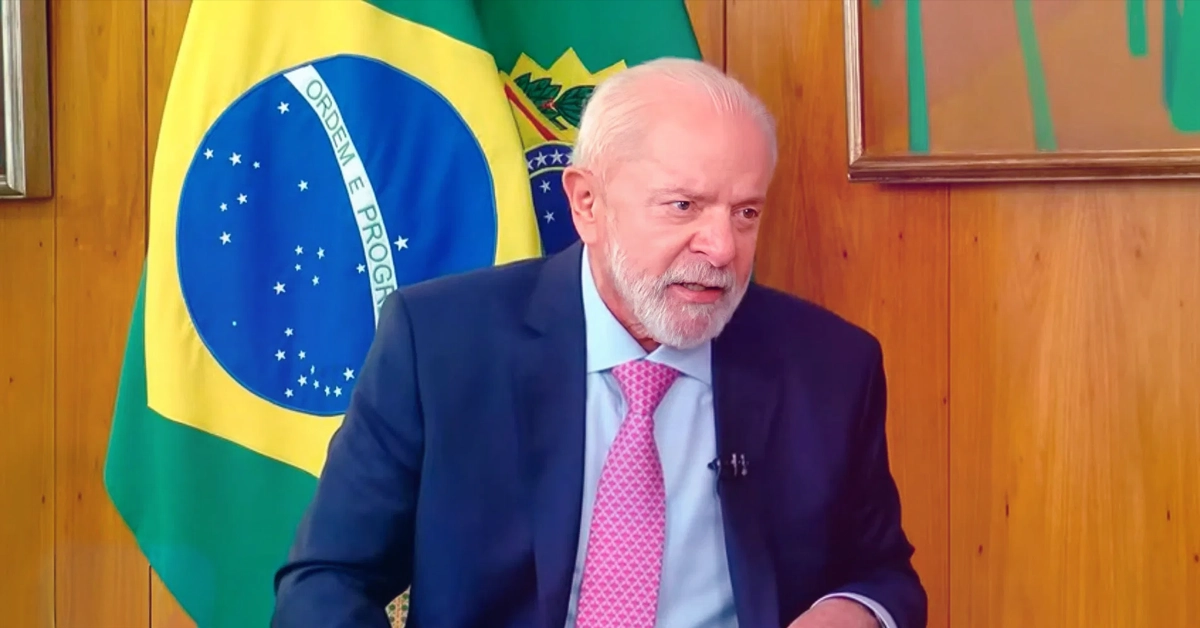
During a ceremony at Casa da Moeda in Rio de Janeiro commemorating the 90th anniversary of Brazil’s minimum wage, President Luiz Inácio Lula da Silva voiced support for the Central Bank’s role in overseeing online betting platforms, while also expressing concern over the rapid expansion of such sites in the country.
Central Bank President Gabriel Galípolo attended the event alongside ministers Esther Dweck (Management and Innovation), Gleisi Hoffmann (Institutional Relations) and Marinho Luiz (Labor and Employment). Analysts interpreted Galípolo’s presence as a sign of the Central Bank’s alignment with federal initiatives on financial oversight.
Casinos in the Home
President Lula compared online sports betting to traditional casinos, which remain illegal in Brazil. He noted that while conventional casino gambling was prohibited to protect lower-income citizens, online betting platforms have nonetheless proliferated.
“For years, casinos were not allowed. Now, these betting platforms have entered our homes” Lula remarked, highlighting his concern over the pervasive presence of betting companies in sports, advertising and social spheres.
Social and Institutional Implications
Lula warned that the influence of online betting extends beyond leisure, raising potential systemic risks. “Online betting is impacting football, advertising and the country’s financial integrity. The Central Bank must ensure taxes are properly collected,” he stated.
Although the Central Bank manages the financial system, analysts note that direct supervision of betting operators falls under the Secretariat of Prizes and Betting within the Ministry of Finance. The Central Bank’s role is primarily financial oversight and monetary stability.
Industry Perspective and Political Context
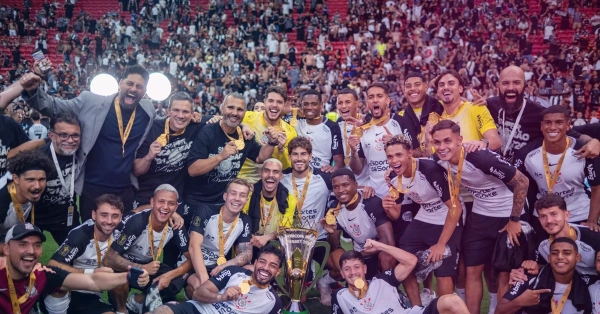
Industry commentators have criticized Lula’s statements, emphasizing that sports betting operates under strict regulatory frameworks that include strong anti-corruption measures. Brazilian football clubs have reportedly benefited financially from regulated betting sponsorships since 2018.
Observers also contextualize Lula’s stance within the historical tension between the Worker’s Party (PT) and gambling-related policies, linking it to broader political debates over finance, betting and elite influence in the country.