Brazil Senate Panel Backs Tougher Gambling Ad Limits
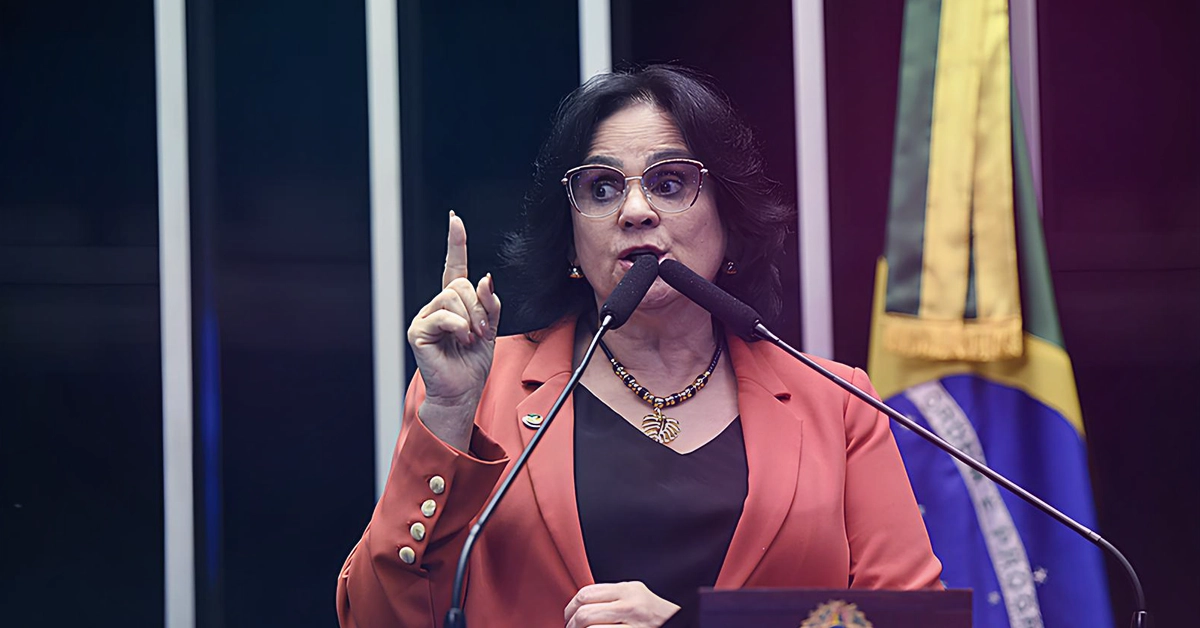
Brazil’s Senate Science and Technology Committee has approved a bill aimed at tightening nationwide restrictions on gambling advertising. The measure proposes amendments to the country’s Sports Betting Law and will now move to the Constitution, Justice and Citizenship Committee for further review.
If ultimately adopted, the proposal would significantly narrow where and how sportsbook and online betting promotions can appear. The scope covers television, radio, print media, digital platforms and sponsorship arrangements tied to sports teams and sporting events. The draft text also explicitly prohibits advertising related to election betting.
Supporters of the bill argue that stronger controls are needed to reduce harmful social impact linked to gambling promotion. Senator Damares Alves, one of the measure’s main backers, connected betting advertising with rising mental health concerns in Brazil, describing the proposal as a proportionate legislative response to issues identified by the Senate.
Possible revisions still on the table
Despite committee approval, the bill may still be adjusted before any final vote. Senate communications indicate that lawmakers are considering amendments during the next stage of review.
One suggested modification would permit sponsorship agreements for clubs involved in Olympic sports, creating a limited exemption within the broader restrictions. Even with potential carve-outs, the framework outlines strict sanctions for violations, including fines that can reach $2 million, as well as possible licence suspension or cancellation. For authorised operators, this could materially increase regulatory risk in the Brazilian market.
A fast-growing regulated sector
Brazil’s fully licensed gambling market began operating in January 2025. Initially, 14 operators received approval, with the total later rising to more than 80. The sector produced roughly $7 billion in gross gambling revenue in its first full year. Industry observers have broadly characterised the rollout as successful.
Regulatory progress has drawn praise from sector specialists, including Udo Seckelmann, head of crypto and gambling at Abvogados, who pointed to the speed and breadth of legislative change over the past two years. While regulation was introduced partly to curb illegal activity, some stakeholders now warn that tighter advertising limits could undermine that objective by reducing the visibility of licensed brands and indirectly benefiting unlicensed competitors.
Tax increases add pressure
Debate over advertising limits comes alongside recent tax policy changes affecting the gambling sector. President Luiz Inácio Lula da Silva has approved a phased tax increase that will raise gambling taxes from 12% by one percentage point per year until reaching 15% in 2028.
Critics argue that combining higher taxes with stricter advertising controls could slow market development and push players toward offshore platforms. Regulators, however, maintain that consumer protection remains the primary policy priority.
Part of a wider global shift
Brazil’s move aligns with broader international trends toward tighter gambling advertising rules. Several jurisdictions have introduced partial or near-total restrictions.
Belgium implemented wide-ranging public and media advertising bans in 2023. The Netherlands has limited untargeted gambling ads and is reviewing further measures. Spain has enforced strict advertising controls since 2020, including bans on celebrity endorsements, while Italy has maintained an almost complete prohibition on gambling advertising since 2018. Outside Europe, both Canada and Argentina are also examining stronger regulatory approaches.
Next steps
The bill’s progress through the Senate will be closely followed by both domestic and international operators. A final decision could reshape competitive conditions in one of Latin America’s largest regulated gambling markets. For now, attention turns to the next committee review and any amendments that may be introduced.