Brazil’s Bets CPI Closes with No Action from Prosecutors
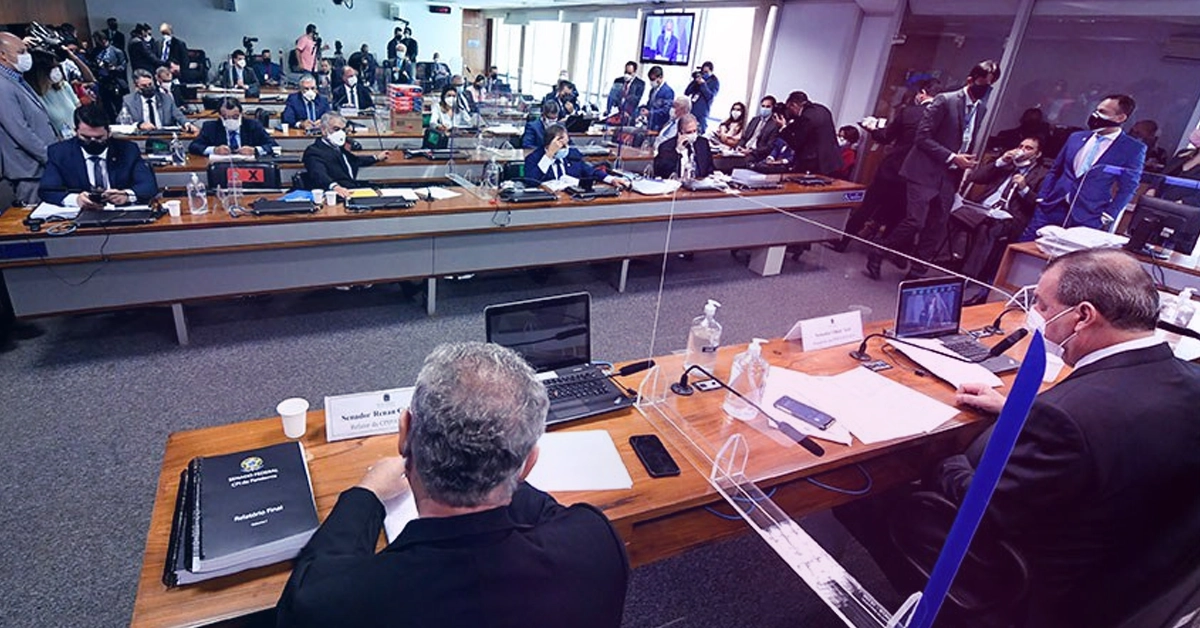
After weeks of heated debates and public hearings, Brazil’s self-proclaimed “CPI das Bets” (Parliamentary Commission of Inquiry on Betting) has officially concluded without producing any meaningful findings or concrete recommendations. The Federal Public Ministry (MPF) announced it would not pursue additional investigations following the commission’s final report, effectively closing one of the most controversial political inquiries of the year.
A Commission That Fell Short of Expectations
The Senate launched the CPI das Bets to probe alleged irregularities within Brazil’s fast-growing online sports betting market. Lawmakers hoped to uncover possible links between betting platforms, criminal networks and influencers who promote betting to wide audiences.
Despite the early promise and widespread media attention, the commission produced minimal results. The final report led by Senator Soraya Thronicke called for indictments of several individuals, including influencers and 14 other parties. However, the document failed to gain sufficient support from the commission itself.
With no formal backing, the CPI dissolved without issuing binding recommendations or establishing a legal foundation for future actions.
Senator Soraya’s Response
Senator Thronicke vowed to personally submit the report to relevant authorities despite its rejection in the CPI. “I will deliver this report and all documents to the appropriate bodies,” she declared, signaling her intention to keep the issue alive outside the commission’s scope.
Nevertheless, prosecutors ultimately concluded there wasn’t enough evidence to justify new legal proceedings, shelving the case.
Goals and Scope of the Inquiry
The CPI das Bets initially aimed to examine two main issues:
The economic and social impact of online betting on Brazilian households.
Potential connections between gambling operators and organized crime, including money laundering and fraud.
The commission also examined the role of digital influencers in normalizing betting behavior, particularly among younger audiences, a growing concern amid Brazil’s booming online gambling environment.
Unresolved Regulatory Questions
The inquiry’s quiet ending underscores the complexity of regulating Brazil’s gambling sector, especially as the government implements Law No. 14.790/2023. The lack of decisive findings shifts regulatory responsibility to new oversight bodies tasked with enforcing ethical, financial and consumer protection standards.
Ultimately, the Bets CPI reflects Brazil’s struggle to balance market growth with accountability and consumer safeguards in a rapidly evolving digital betting landscape.