California Blocks Online Sweepstakes Casinos with AB 831 Law
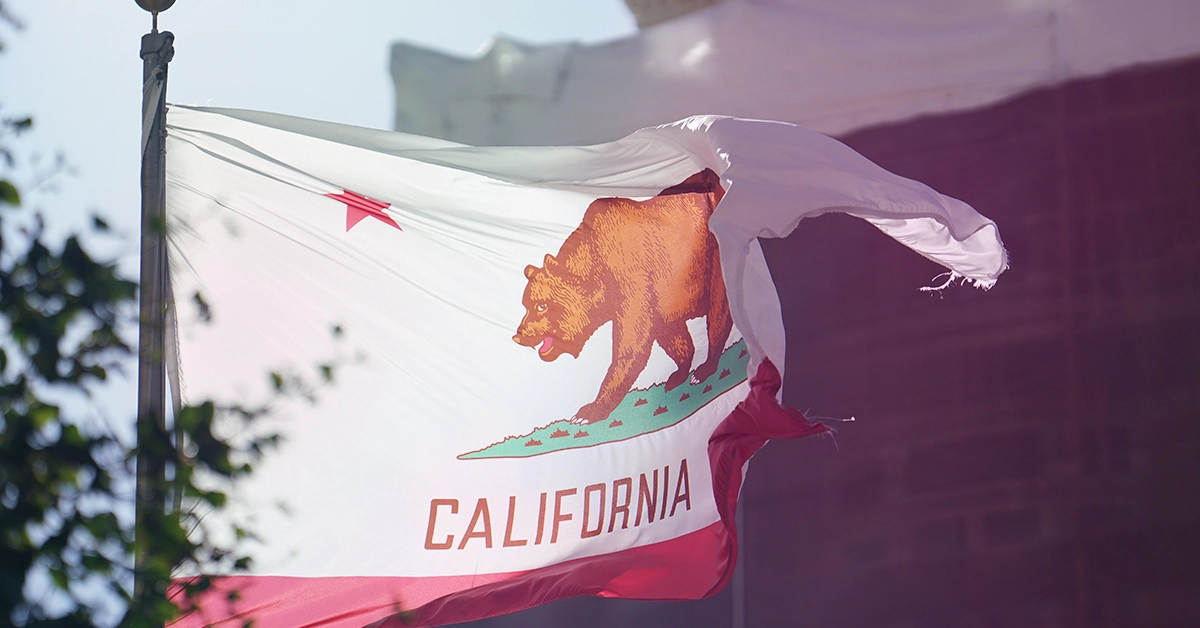
California has officially prohibited online sweepstakes casinos after Governor Gavin Newsom signed Assembly Bill 831 into law. Unanimously approved by the state legislature, the new measure will take effect on January 1, 2026, signaling a strong regulatory stance against unlicensed iGaming operations.
The law makes it illegal to operate or promote sweepstakes-style casino platforms that use dual-currency systems designed to imitate real-money gambling. It also holds accountable any individuals or companies that “knowingly and willfully” aid such operations including payment processors, geolocation services, platform providers, affiliates and media partners.
With this move, California becomes the 17th U.S. state to enact measures targeting online sweepstakes casinos.
Closing a Long-Standing Legal Loophole
For years, sweepstakes casinos have taken advantage of legal gray areas by presenting themselves as “social gaming” platforms. These sites allowed players to purchase virtual tokens, which could later be exchanged for real cash. Lawmakers described AB 831 as the legislation that finally eliminates this loophole, making it clear that unlicensed gambling can no longer hide behind social gaming labels.
Violating the law could result in fines of up to $25,000, up to a year in county jail, or both.
The bill includes exemptions for:
Licensed tribal casinos and the state lottery
Legitimate promotional sweepstakes connected to real products or services
Individual casual players, who will not face legal penalties
Tribal Advocacy and Legislative Intent
The bill gained strong support from California’s tribal gaming operators, who argued that sweepstakes casinos infringed on their exclusive gaming rights. Lawmakers said the new law will help restore fairness and consumer protection in the state’s regulated gaming ecosystem.
Assemblymember Avelino Valencia, who sponsored the bill, stated: “These companies were exploiting a technicality. AB 831 reinforces that gambling in California must be properly licensed and transparent.”
Industry Reaction and Pushback
Although the legislation received bipartisan political backing, several industry groups expressed concern. The Social Gaming Leadership Alliance and other stakeholders warned that the law could hinder social gaming innovation and affect employment opportunities.
Some smaller tribes also voiced fears that the bill could limit digital revenue streams for rural communities. Additionally, critics cautioned that its broad liability clauses might discourage technology companies and advertisers from partnering with legitimate entertainment platforms.
In anticipation of the law, major sweepstakes casinos like High 5 Casino and Fortune Coins began blocking California users before the bill was signed. Other operators are already revising their compliance frameworks ahead of the 2026 enforcement date.
A National Movement Gains Momentum
California’s action aligns with a broader U.S. trend toward stricter regulation of sweepstakes casinos. Sixteen states have already taken steps through legislation or legal actions to curb the industry.
Given California’s size and influence, its decision is expected to prompt additional states ( including New York, Michigan and Florida ) to follow suit. Many analysts view 2026 as a decisive year that could reshape or phase out the sweepstakes casino model nationwide.