EU demands US tech giants prove child safety compliance
The European Union (EU) is stepping up enforcement of its Digital Services Act (DSA), seeking to ensure that major US technology firms comply with stricter online safety rules, particularly those aimed at protecting minors from harmful digital environments.
Henna Virkkunen, the EU’s Tech Commissioner from Finland’s European People’s Party (EPP), confirmed the initiative earlier today during a briefing in Denmark.
Virkkunen revealed that the European Commission has issued four Requests for Information (RFIs) to Google, YouTube, Apple and Snapchat, demanding full documentation on how these companies prevent children’s exposure to harmful content and misuse of personal data.
“This is about accountability,” Virkkunen stated. “Children deserve the highest level of privacy and safety online. The DSA ensures that commitment is not optional.”
Article 28 Enforcement: Safeguarding Minors Online
The RFIs are part of the EU’s wider strategy to enforce Article 28 of the DSA, which obliges digital platforms to introduce robust protections for minors, prohibit targeted advertising to under-18s and design services prioritizing privacy and security by default.
This new enforcement effort aligns with the Jutland Declaration, expected to be signed during this week’s digital ministers’ summit in Copenhagen, which aims to harmonize online child-protection standards across all EU member states.
Shielding Children from Harmful and Adult Content
Under DSA obligations, platforms must use age-verification and age-assurance systems to prevent minors from accessing adult, violent, gambling, or pornographic content. Algorithms must also be designed to avoid recommending political extremism, self-harm, or material promoting eating disorders or substance misuse.
Advertisers and publishers now share a duty of care, ensuring adult-only products or campaigns are not shown to minors. The EU’s long-term goal is to make online spaces “child-safe by design,” mirroring consumer and broadcasting protections already in place across Europe.
Meanwhile, several EU nations have enacted country-specific digital safety laws alongside the DSA:
The UK’s Online Safety Act mandates social media accountability
France requires parental consent for under-15s
Germany’s NetzDG targets hate speech enforcement
Denmark plans to restrict youth social-media access.
Although these differ in scope and approach, Brussels aims to maintain consistency through the DSA’s overarching framework.
Transatlantic Tensions Over Regulation
Despite broad compliance since the DSA took effect in 2022, US tech firms continue to criticize the law for imposing heavy compliance costs and potentially stifling innovation.
Executives from Apple, Google, Microsoft and Snap argue that some DSA provisions amount to regulatory overreach, conflicting with US First Amendment principles and complicating free-speech governance.
The DSA has also surfaced in US–EU trade disputes, with the former Trump administration citing it as discriminatory against American companies and hinting at retaliatory tariffs unless exemptions were granted.
Europe Reaffirms Its Digital Rights Agenda
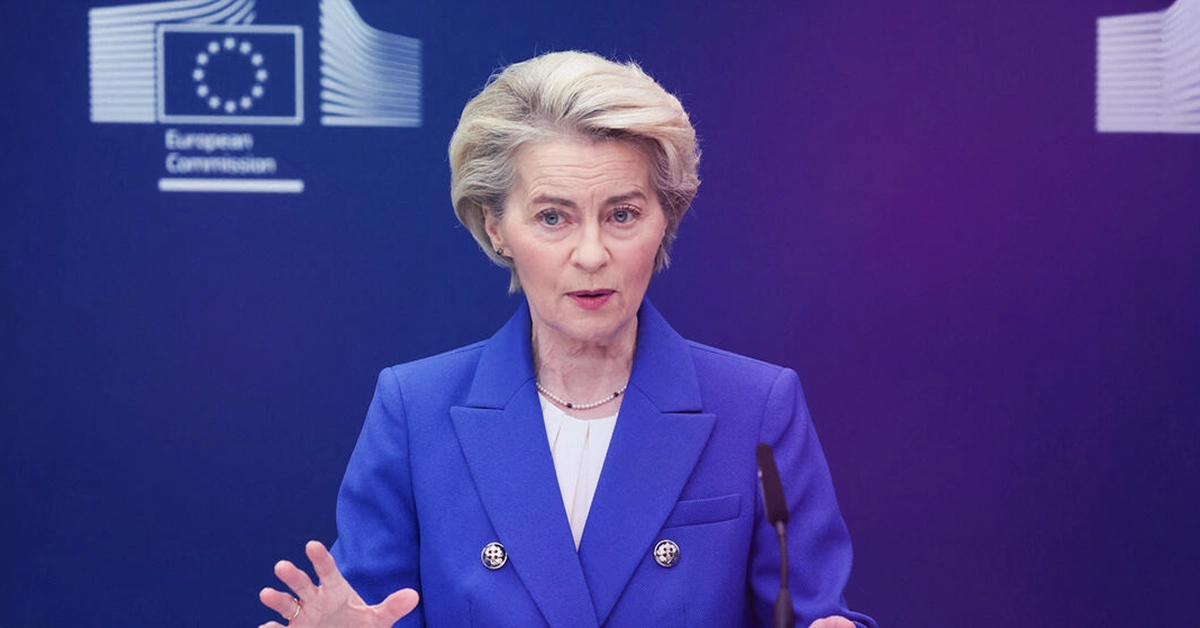
European leaders, led by Commission President Ursula von der Leyen, remain firm that the DSA is vital for protecting citizens’ digital rights.
“Our digital principles apply online just as our fundamental rights apply offline,” von der Leyen said. “They guide our legislative work and ensure that technology serves people not the other way around.”
While Brussels has yet to threaten sanctions, officials warned that formal investigations may follow if tech companies fail to adequately demonstrate compliance in their RFI responses.
How Google, Apple, Snap and YouTube respond could set the tone for the next stage of EU–US digital relations, shaping the global conversation around online child safety and corporate responsibility in 2025 and beyond.