Hokkaido Sets FY2026 Budget to Review IR Casino Plan
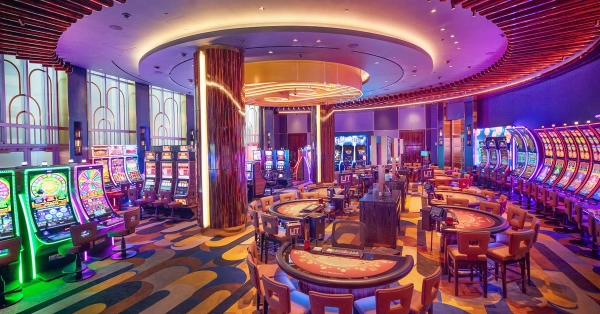
Hokkaido is setting aside new funds to reconsider whether it should pursue an integrated resort (IR) with casino gaming, as part of its draft fiscal 2026 budget, signaling a renewed and more structured look at joining Japan’s next IR application round.
The draft plan released on February 13 shows the Hokkaido prefectural government earmarking JPY9.98 million ($65,138) to review and update its official IR policy position. The funding is intended specifically for reassessing the region’s “basic stance on IR,” the key framework that would determine whether it proceeds with a formal development proposal under national casino legislation.
Budget Targets Policy Reset on IR Direction
According to prefectural officials, the allocation will support policy analysis and stakeholder consultations aimed at refining a region-specific IR model. The review will include discussions with municipalities, private-sector participants and civic groups to shape what leaders describe as a potential “Hokkaido-style” IR concept.
Rather than bundling the work into broader tourism or economic research, the draft budget isolates IR policy review as a dedicated project. This approach gives the prefecture a structured path to evaluate feasibility, local impact and partnership potential ahead of the upcoming national application window.
Hokkaido chose not to proceed in the first IR bidding round. This new budget measure indicates a more deliberate preparation phase before deciding whether to re-enter the race.
Governor Calls for Review of First IR Round
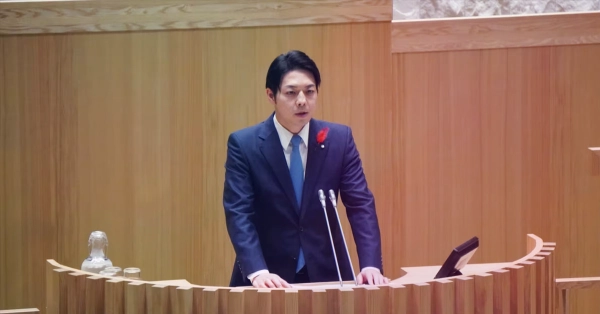
Governor Naomichi Suzuki recently urged central authorities to analyze why only one project was approved in the initial IR selection process. The sole successful bid came from Osaka and Osaka Prefecture, centered on the JPY1.51 trillion MGM Osaka development, which is targeting a 2030 opening.
Suzuki has argued that lessons from the first round should inform adjustments before the next application period, currently scheduled from May to November 2027. He has repeatedly stated that Hokkaido intends to clarify its IR framework and gather municipal input well in advance of that deadline.
The prefecture previously explored a bid in 2019 but withdrew before applications formally opened. This time, the presence of earmarked research funds suggests a firmer institutional commitment to completing a full evaluation.
Tomakomai Positions Itself as Lead Candidate City
Tomakomai, a port city in southern Hokkaido long viewed as a leading IR location candidate, has also moved to keep the opportunity alive. Mayor Suguru Kanazawa has publicly stated the city does not intend to miss the next bidding chance and has included related promotional and planning activity in its own FY2026 budget outline.
The city’s coastal location and transport links have frequently been cited as strengths for a potential resort complex combining gaming, hotels and convention facilities. Alignment between prefectural research efforts and municipal readiness could strengthen any eventual bid structure.
Research Funding to Guide Final Decision
The allocated JPY9.98 million will be used to gather data, run consultations and refine development scenarios before the governor makes a final call on whether to proceed with an IR district plan submission.
Officials say the goal is to ground the decision in detailed analysis rather than broad projections, weighing economic benefits against social and regulatory considerations. With a second national bidding window approaching, the prefecture is positioning itself to move forward ( or step back ) based on updated policy findings rather than preliminary interest alone.
For now, the draft budget marks a concrete step: Hokkaido is investing public funds to determine whether a casino-integrated resort fits its long-term regional strategy.