Hokkaido Urges Review of Japan IR Bidding Outcomes
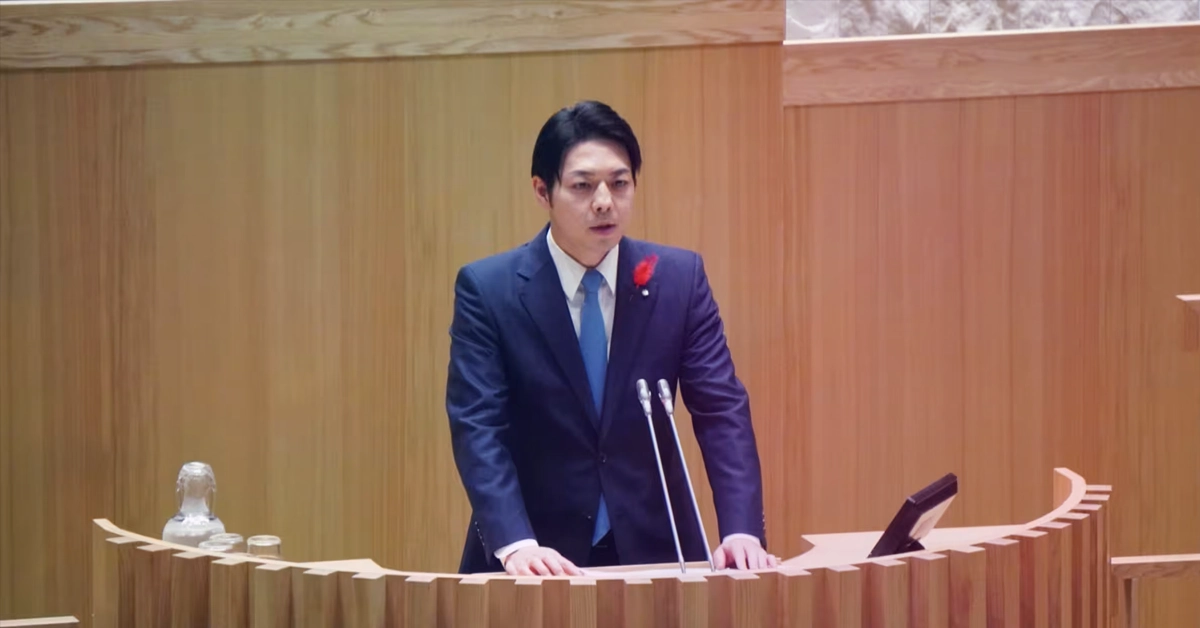
Hokkaido Governor Naomichi Suzuki has urged Japan’s central government to examine why the initial bidding round for integrated resorts (IRs) with casinos produced only a single approved project in Osaka. He raised the issue at a press briefing held one day before Hokkaido convened the first meeting of its newly established IR expert panel, which took place ahead of the close of the public consultation on the Cabinet’s proposed bidding window from May 6 to November 5, 2027.
Questioning the First IR Selection Process
Suzuki reflected on the outcomes of the first IR round, noting that while Hokkaido withdrew from the process in late 2019, the prefecture had remained engaged during earlier stages. By December 2023, Osaka emerged as the sole successful applicant, while Nagasaki failed to secure approval. Other potential contenders, including Yokohama and Wakayama, chose not to submit bids at all.
According to Suzuki, these results warrant closer scrutiny by national policymakers, particularly to understand why participation was limited and how future IR frameworks might better accommodate regional destinations as opposed to large metropolitan centres.
In its feedback on the proposed second-round schedule, Hokkaido emphasized the need for region-specific IR concepts rather than models designed primarily for major cities. The prefecture continues to develop its baseline IR strategy, promoting a distinct “Hokkaido-style” approach through consultations with municipalities, businesses and community organizations.
Expert Panel Begins Deliberations
Hokkaido’s newly formed advisory panel consists of nine local experts from fields including economics, tourism and gambling harm prevention. During its inaugural session on Saturday, members discussed the appropriate scale and function of IRs suited to regional areas.
Representatives from economic and tourism groups highlighted potential benefits for local development, while specialists in addiction prevention addressed associated risks and possible countermeasures. A second meeting is scheduled for February 3 to further advance these discussions, with findings expected to shape Hokkaido’s formal IR position ahead of a potential 2027 bid.
Shaping a Regional IR Identity
With MGM Osaka valued at JPY1.51 trillion (approximately US$9.57 billion) set to become Japan’s first integrated resort when it opens in the late 2030 timeframe, attention is shifting toward whether other regions will participate in the next licensing phase. Recent indications suggest Wakayama and Fukuoka may again remain on the sidelines.
Hokkaido, Japan’s northernmost main island, believes differentiation is key, potentially focusing on an IR model aligned with regional and rural characteristics rather than dense urban environments. Suzuki reiterated that any Hokkaido proposal would prioritize community compatibility and long-term sustainability over replication of metropolitan designs.
Balancing Growth and Social Impact
Japan’s IR framework allows for up to three casino licenses, leaving room for additional projects beyond Osaka. Hokkaido’s renewed engagement marked by policy reviews and expert input signals a cautious return following its earlier withdrawal.
Suzuki’s comments add to growing calls for Tokyo to refine the national IR process to better appeal to regional jurisdictions seeking tourism-driven development while maintaining social safeguards. As preparations continue, Hokkaido’s approach underscores the importance of adapting casino-integrated resorts to local realities, balancing economic opportunity with responsible oversight.