MGM China Faces Dividend Pressure from Royalty Hike
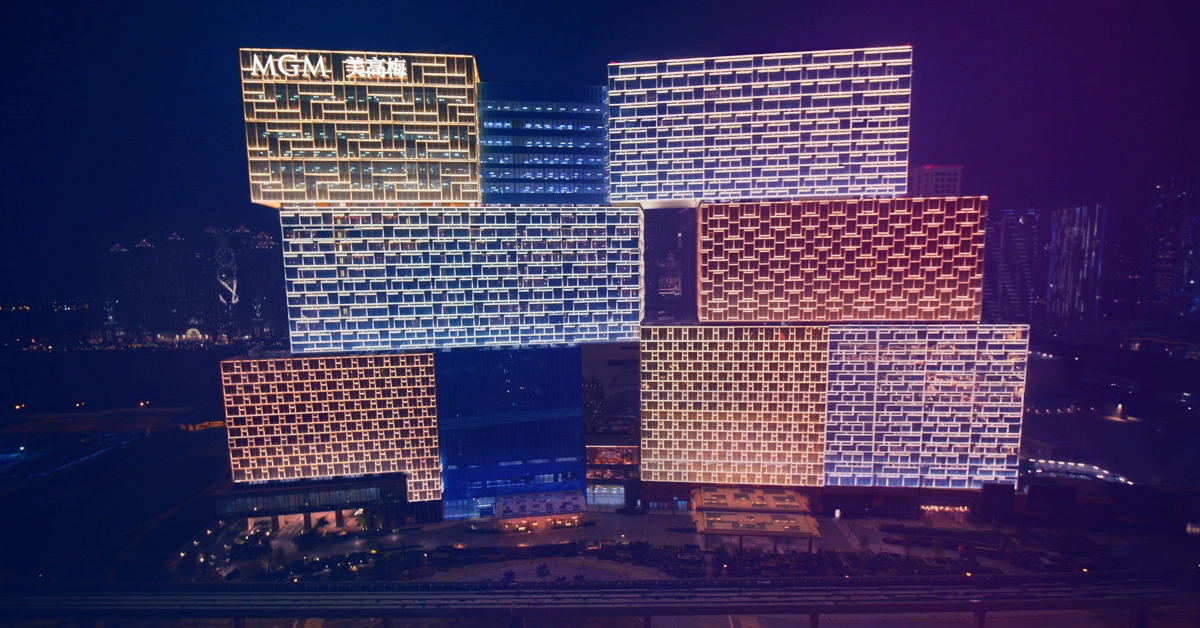
Macau casino operator MGM China Holdings Ltd. faces mounting pressure on shareholder payouts following a doubling of branding royalties owed to its U.S. parent company. A Monday note from brokerage Jefferies warned that the higher licensing fee could reduce dividends per share for both 2026 and 2027, adding to existing concerns over profitability. Investors have been digesting the potential financial impact of the new long-term agreement, triggering immediate market reactions.
The revised royalty arrangement, disclosed in a December 23 filing and effective January 1, increases the rate for using the MGM brand from 1.75 percent to 3.5 percent of adjusted consolidated net monthly revenues. The change effectively doubles the cost, eroding margins as the operator continues its post-pandemic recovery. Jefferies estimates the 2026 outflow at US$164 million, highlighting the significant leverage the parent company exerts on the subsidiary.
Earnings Impact
Analysts Anne Ling and Jingjue Pei of Jefferies forecast a 6 percent decline in adjusted EBITDA and a 10 percent drop in net profit for 2026, assuming other factors remain constant. Maintaining the current 50 percent dividend payout ratio would naturally reduce dividends per share, potentially disappointing income-focused investors.
Market response was swift: MGM China’s Hong Kong-listed shares fell 16.7 percent by Monday’s close, extending losses following an earlier downgrade by Morgan Stanley, which had flagged the royalty increase as a key factor behind the negative outlook.
Jefferies noted a potential mitigating factor: management could reconsider its dividend policy, either by lowering the payout ratio or reallocating capital, offering some flexibility to lessen shareholder impact without entirely alienating investors.
Peer Comparisons and Long-Term Commitment
MGM China is not alone in paying royalties to U.S. parent firms. Jefferies estimates that Sands China Ltd. will pay Las Vegas Sands Corp US$129 million in 2026, while Wynn Macau Ltd. owes Wynn Resorts Ltd. US$127 million. Although MGM’s rate is on the higher end, it aligns with global licensing norms.
The new 20-year agreement, starting January 1, 2026, secures branding rights but locks the subsidiary into substantial fees through at least 2045, assuming ongoing concessions. Shareholders must weigh the benefit of brand continuity against short-term cash flow pressures, a balance that analysts are still evaluating.
Strategic Outlook
Operational performance will be critical as MGM China navigates the added royalty burden. Analysts emphasize the importance of revenue growth to offset the cost increase, especially amid Macau’s approaching concession cycle. With shares under pressure and potential policy adjustments on the horizon, the coming quarters will test the company’s ability to manage parent obligations while sustaining dividends and maintaining profitability.