Montenegro Rejects Challenge to New Gambling Law
Montenegro’s government has shut down attempts to challenge its New Law on Games of Chance, firmly rejecting calls for constitutional review from two major gaming-sector organisations. The move signals that the state intends to press ahead with its updated regulatory model despite mounting unease within the industry.
Industry Pushback Over “Acquired Rights”
The request for constitutional assessment was submitted by NVO, which represents suppliers and by the state lottery, Lutrija Crne Gore. Both groups argued that Article 106 covering transitional rules and the handling of concessions effectively strips operators of protections granted under previous legislation. They claimed that the staggered expiry of concession contracts could result in operators being treated unequally and that the provision risks breaching constitutional safeguards against retroactive lawmaking.
Their warning: the reform threatens rights already earned under the former system.
Prime Minister Spajić Defends the Framework
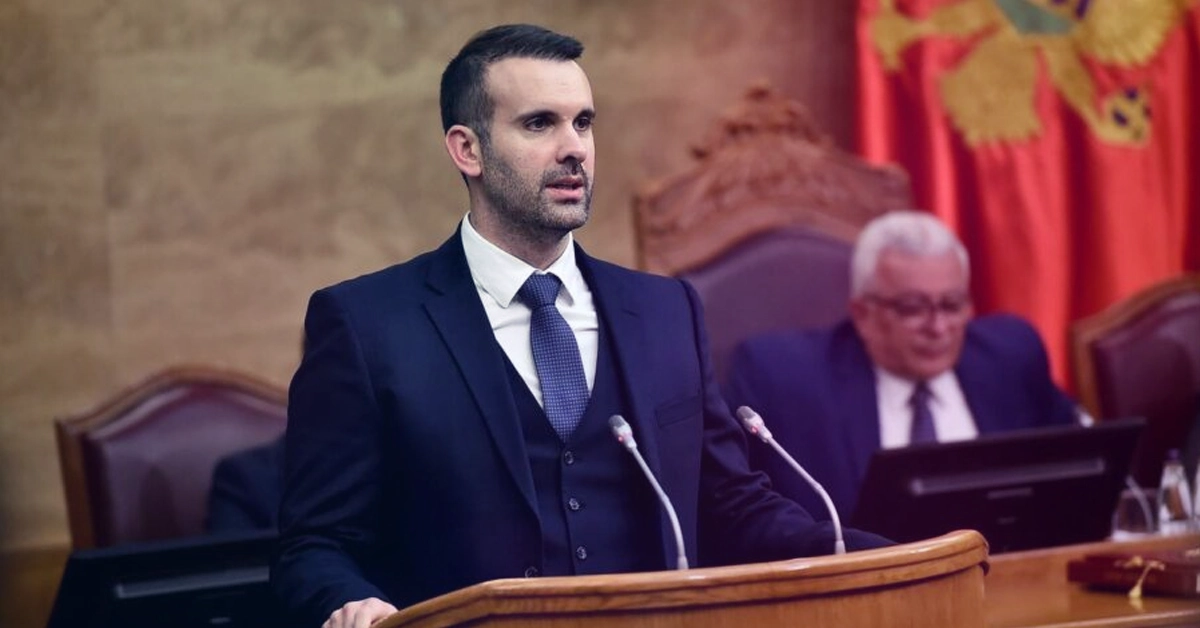
Prime Minister Milojko Spajić issued a written response to parliament confirming the government had no grounds to refer the matter to the Constitutional Court. He stressed that the law applies prospectively, not retroactively and reiterated that gaming is an activity of public interest under the exclusive authority of the state. Because of this, he argued, operators cannot claim ownership of rights that limit the government’s ability to reshape the regulatory model.
To support this stance, Spajić cited a 270-day transition window designed to ensure all operators regardless of licence expiry have adequate time to adapt. He concluded that Article 106 aligns with both constitutional requirements and international standards, forming the basis for the cabinet’s decision to dismiss the petition outright.
Sector Voices Remain Unconvinced
Despite the outcome, industry unease continues to intensify. Montenegrobet, representing licensed operators, has warned that the new rules introduce far-reaching compliance burdens, disproportionate penalties and broad discretionary powers for licence termination. The association argues that these measures could undermine the regulated market at a moment when the government is pushing modernisation and channelisation.
Operators are now urging officials to revisit the most contentious provisions, cautioning that the current model may discourage local investment.
A Reform Aligned With EU Integration Goals
With the challenge rejected, the government is preparing to implement the law in stages. The Ministry of Finance has begun drafting secondary rulebooks covering licensing procedures, AML obligations, supervisory protocols and market-conduct requirements.
For the Spajić administration, the overhaul forms part of a wider reform effort tied to Montenegro’s bid to secure EU membership by 2028. Gambling regulation is among the areas where Brussels is expected to evaluate alignment closely.
As the next regulatory phase approaches, attention is shifting to how the rules will be applied in practice and whether dialogue between the state and the sector can be renewed before further implementation milestones are reached.