Uruguay Casinos Reopen as Online Gambling Reform Looms
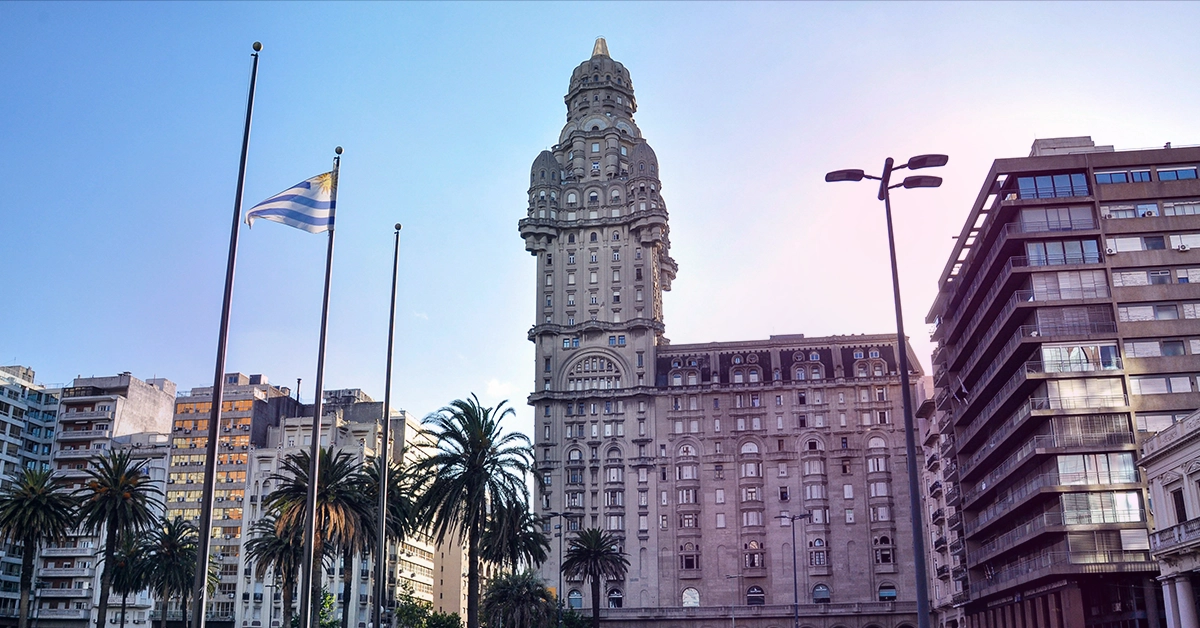
Uruguay’s casino industry restarted operations at the beginning of the year following the resolution of strike action that had temporarily shuttered venues. The reopening came after the General Directorate agreed to enter negotiations and sign a framework for continued dialogue with the union.
The dispute originated in response to new policies introduced by Director General Fernández Estévez, which employees described as “a disguised salary cut.” Closures occurred during one of the busiest periods for casino traffic, raising concerns about economic impacts if the impasse had persisted.
Cecilia Alegre, General Secretary of ANFUCE, told Radio Cadena del Mar (FM 106.5) that the conflict began when Estévez implemented changes affecting employee pay without following legally required collective bargaining procedures. She highlighted that salaries, heavily tied to casino footfall, could decline further as online gambling grows, especially since the new administration chose not to implement a Senate-approved bill regulating digital gaming.
Media reports indicate that a proposed compromise led to a shared position between the parties, enabling casinos most of which are state-operated to reopen while negotiations continue.
The resolution comes as Uruguay explores broader gambling sector reforms. Plans for a National Online Gambling Regulation Agency are reportedly part of an initiative expected to create over 20,000 jobs and modernize oversight of both state-run and private operators. President Orsi has emphasized a public health-focused approach to regulation, stating that reform must protect citizens and reinforce confidence in gambling institutions.
Senator Felipe Carballo, who proposed the modernization bill, envisions a hybrid model in which the state runs its own platform while regulating licensed private operators. The National Directorate of Lotteries and Quinielas would administer the state platform, oversee licensing, monitor marketing practices and hold authority to sanction and revoke operator licenses.
Carballo stressed that modernization is essential for Uruguay to maintain oversight in a globalized iGaming environment. He pointed to challenges posed by transnational platforms, cryptocurrencies and VPN usage, which limit the state’s capacity for effective supervision, taxation and consumer protection.
Proposals for licensed private operators aim to create regulated competition alongside the state operator, countering the growth of the black market while enhancing player protection. Uruguay may look to Chile and Argentina as models, both of which operate hybrid online gambling systems that balance state involvement with licensed private competition.
The full development of Uruguay’s online gambling sector is unlikely to be finalised before 2027. Debate and detailed policy formulation are expected to shape the evolution of the market, clarifying licensing, participation requirements and regulatory oversight. Past efforts, including a failed 2021 bill, underscore the careful balancing required to introduce private licenses without mandating a physical presence in-country.